Concept
I cultivate my land ecologically and sustainably. In the first phase, I had to find out which plants the climate here provides an optimal basis for. There were a few surprises along the way. While my potatoes initially grew as big as radishes, the mirabelle plum trees blossomed and yielded almost more than I could harvest.
Many questions arose. Which zones should I cultivate and which should I leave to their own devices? And, of course, the question that every gardener asks: What do you do with the slugs? There are leopard snails here and they eat the slugs, I didn’t know that, so I learnt to work with the system and not against it, in line with permaculture principles.
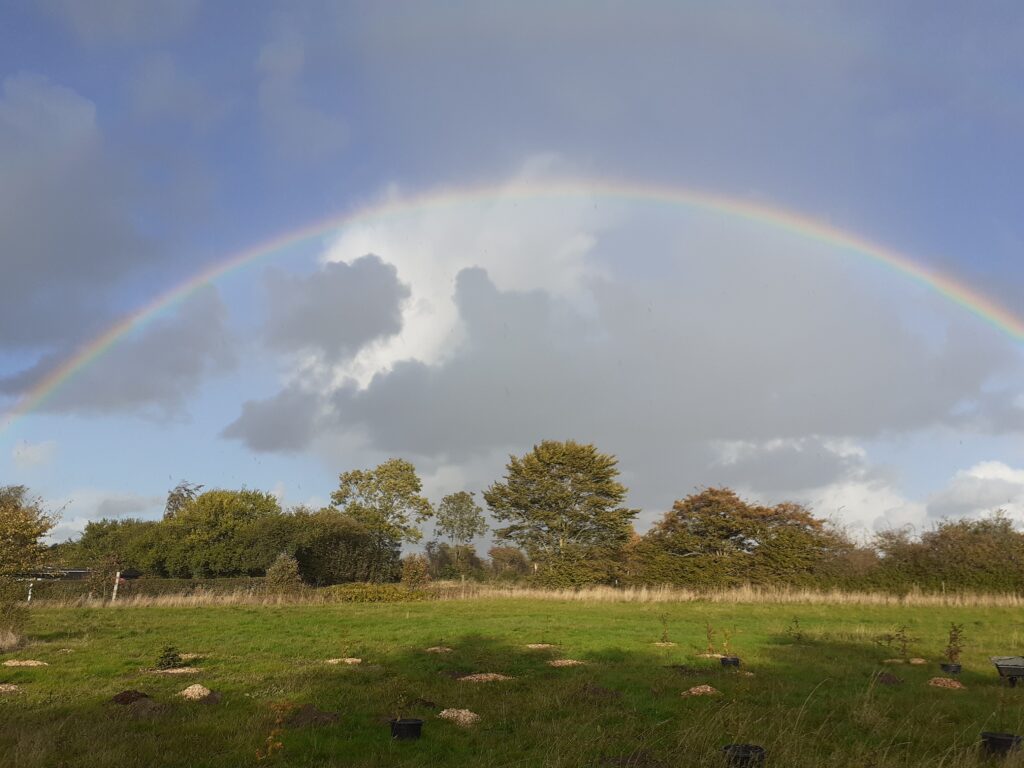
There was already a small forest on the property. I also planted numerous fruit trees and other forest trees.
Biochar
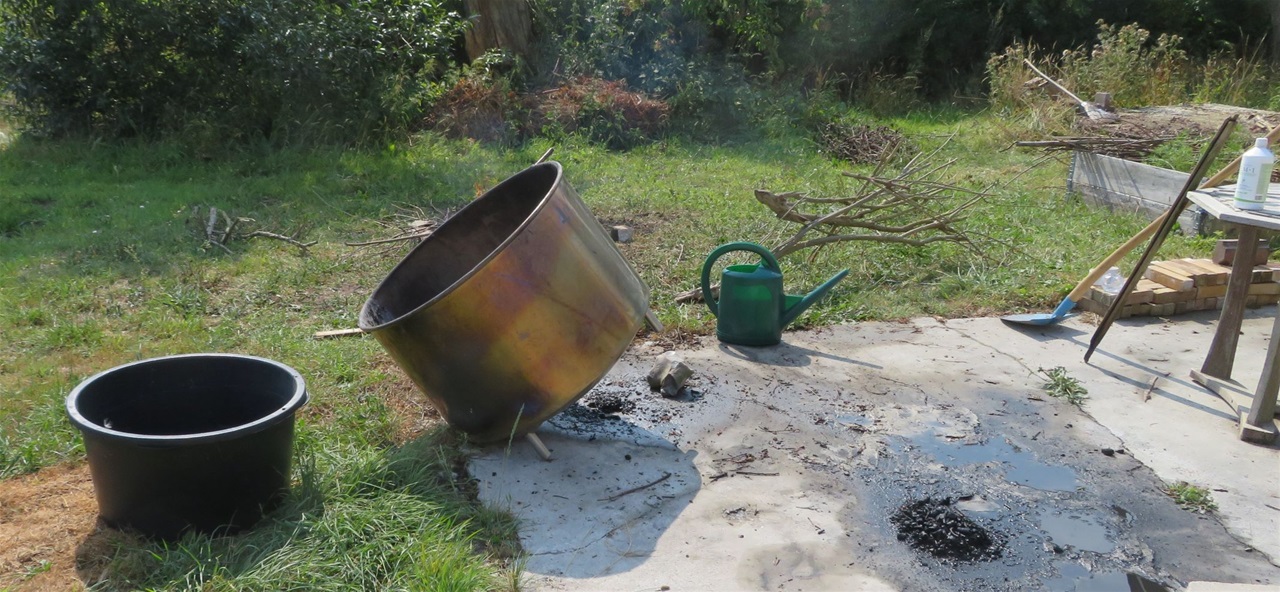
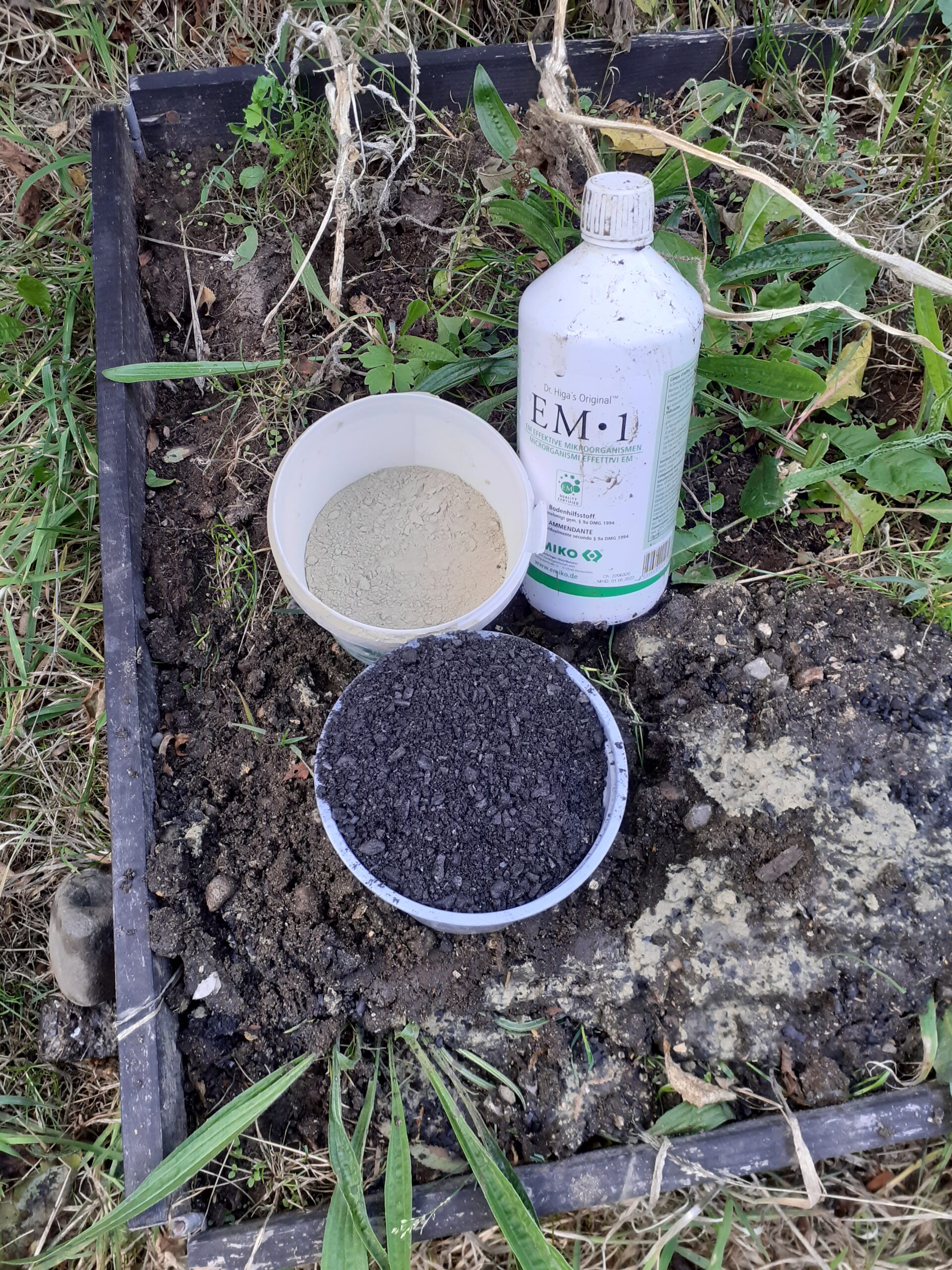
Biochar / biochar / biocul-biochar is carbonised residual material from plant biomass. Biochar loosens and aerates the soil. When worked into the soil together with compost, it encourages microorganisms and causes humus to accumulate. Biochar, a porous material, can help retain water and nutrients in the soil. My sandy soil allows all water and therefore nutrients to pass through. Time will tell what benefits I can achieve by adding biochar.
Mulching
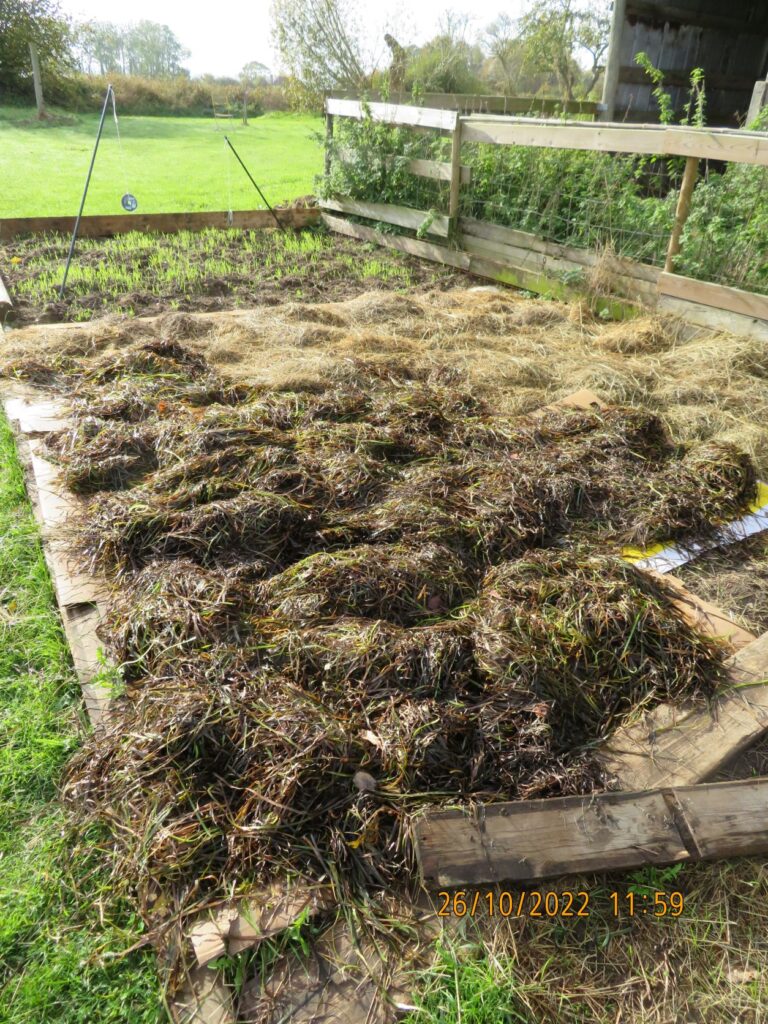
If the sea offers valuable nutrients, you can use them with a clear conscience. I have used seaweed and straw for mulching here. The soil is covered with unrotted organic materials. This is an important contribution to long-term soil fertility and soil acidity. In addition, I treat my growing areas with EM, natural microorganisms that activate existing microorganisms in the soil and water and maximise their natural strength/effect.